









OUR REVIEWS
THE BEST TASTING
PROTEIN ON THE
PLANET
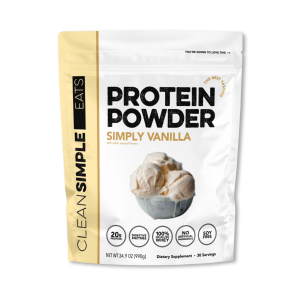
“The absolute best protein powder ever! Tastes
like vanilla ice cream!”
Flavor: Simply Vanilla



Protein powder has evolved far beyond its stereotype as a supplement solely for competitive bodybuilders. Today, it stands as a cornerstone of modern nutrition, a versatile, convenient, and highly bioavailable source of this critical macronutrient, benefiting a diverse range of individuals from the elite athlete to the health-conscious senior. Understanding its comprehensive role requires a deep dive into its mechanisms, its various forms, and its practical applications in everyday life.
Protein is not merely a substance for muscle building; it is the foundational material for virtually every component of the human body. Our bodies rely on the twenty amino acids, the ‘building blocks’ of protein, for an astonishing array of functions. Nine of these are essential, meaning the body cannot synthesize them and they must be obtained through diet. A sufficient and consistent supply of these amino acids is paramount.
When we consume protein, the digestive system breaks it down into individual amino acids, which are then absorbed and utilized in a process called Protein Synthesis. This is the mechanism by which the body repairs damaged tissue, produces enzymes and hormones, supports immune function, and, yes, builds and maintains muscle mass (Muscle Protein Synthesis, or MPS).
For the active individual, exercise, particularly resistance training, causes micro-tears in muscle fibers. Amino acids, especially the Branched-Chain Amino Acids (BCAAs) like Leucine, Isoleucine, and Valine, are rapidly deployed to repair these tears. Leucine, in particular, acts as a signaling molecule, initiating the MPS pathway. The speed and completeness of this repair process directly impact recovery time, strength gains, and overall athletic adaptation. Protein powder excels here because it delivers a concentrated, quickly digestible surge of these essential amino acids, often surpassing what can be comfortably consumed through whole foods immediately post-exercise.
The world of protein powders is vast and varied, sourced from both animal and plant origins, each with its unique kinetic profile—the rate at which it is digested and absorbed.
Whey Protein: Derived from milk during the cheese-making process, whey is perhaps the most popular and extensively researched protein supplement.
Whey Concentrate (WPC): Typically 70-80% protein, containing some fat and lactose. It’s a cost-effective, high-quality complete protein.
Whey Isolate (WPI): Undergoes further processing to remove most of the fat and lactose, resulting in a protein concentration of 90% or higher. Its purity makes it ideal for those with mild lactose sensitivity or those closely monitoring fat and carbohydrate intake.
Whey Hydrolyzate (WPH): A ‘pre-digested’ form where the protein is broken down into smaller peptides. This enhances the absorption rate even further, making it the fastest-acting and a common choice for clinical nutrition and immediate post-workout needs, though its taste can sometimes be bitter.
The Kinetic Advantage: Whey is a ‘fast-digesting’ protein, leading to a rapid spike in amino acid levels, making it optimal for stimulating MPS immediately after a workout.
Casein Protein: The other major protein found in milk (comprising about 80% of milk protein), casein is renowned for its ‘slow-digesting’ nature.
The Kinetic Advantage: Casein forms a gel-like structure in the acidic environment of the stomach, resulting in a sustained, slow release of amino acids into the bloodstream over several hours. This makes it an excellent choice for consumption before bed (to support overnight repair) or during prolonged periods between meals to prevent muscle protein breakdown (MPB).
Egg White Protein: An excellent dairy-free alternative derived from egg whites. It is a complete protein with a high Biological Value (a measure of protein quality), and is often considered a moderate-digesting protein, sitting between whey and casein in absorption speed.
The rise of plant-based diets has spurred significant innovation in this category. For a protein to be considered ‘complete,’ it must contain all nine essential amino acids in adequate amounts. While some individual plant sources may be slightly deficient in one or two amino acids, strategic blending solves this challenge.
Pea Protein: Highly popular and easily digestible, pea protein is rich in BCAAs and is often comparable to whey in its ability to support muscle growth, particularly when taken consistently. It can be slightly low in the amino acid Methionine.
Rice Protein: Typically sourced from brown rice, this protein is generally hypoallergenic. It is low in Lysine, often leading to its combination with pea protein to create a complete profile.
Hemp Protein: Derived from hemp seeds, this powder offers the added benefits of fiber and essential fatty acids (Omega-3 and Omega-6). While it contains all essential amino acids, its concentration is relatively lower compared to other sources.
Soy Protein: A complete protein comparable to animal sources in its amino acid profile. It is a highly effective, cost-efficient, and versatile option for vegetarians and vegans.
The utility of protein powder extends far beyond the realm of athletic performance, playing a vital role in several key areas of general health and well-being.
Weight Management and Satiety: Protein is the most satiating macronutrient, meaning it induces the greatest feeling of fullness. Incorporating protein powder into meals or snacks can significantly reduce overall calorie intake by curbing appetite and reducing cravings. Furthermore, its role in building and maintaining lean muscle mass is crucial. Muscle tissue is metabolically active, contributing to a higher Resting Metabolic Rate (RMR), which means more calories are burned even at rest, aiding in fat loss and long-term weight maintenance.
Supporting the Aging Population (Sarcompenia): As individuals age, a natural decline in muscle mass, strength, and function (known as sarcopenia) occurs, which can severely impact quality of life and independence. Studies have shown that increased protein intake, especially when coupled with resistance exercise, is critical for mitigating this decline. The convenience and high bioavailability of protein powder make it an excellent tool for older adults who may struggle to consume sufficient whole food protein due to appetite changes, dental issues, or digestive challenges.
Convenience and Nutritional Assurance: In today’s fast-paced world, consistently hitting daily protein targets can be challenging. Protein powder offers an unparalleled level of convenience. A shake, a smoothie boost, or a simple addition to oatmeal can quickly and easily ensure nutritional requirements are met, especially for those with high protein needs or busy schedules. It acts as a reliable nutritional insurance policy.
While the benefits are clear, the efficacy of protein supplementation relies on quality. Consumers should prioritize products that feature transparent ingredient lists and minimal unnecessary additives, fillers, or excessive sugars. Understanding the manufacturing processes, such as filtration methods (e.g., cross-flow microfiltration for isolates), can help in selecting a cleaner product.
Integrating protein powder effectively means viewing it as a supplement to, and not a replacement for, a balanced whole-food diet. Optimal results are achieved when supplementation is strategically timed and used to fill nutritional gaps, complementing a diet rich in fruits, vegetables, healthy fats, and complex carbohydrates. Whether mixed with water post-workout, blended into a morning smoothie, or stirred into a nighttime snack, protein powder is an indispensable tool in the pursuit of optimized health, performance, and longevity. Its versatility ensures that it will continue to be a staple in the pantheon of modern nutritional aids for years to come.



OUR REVIEWS
“The absolute best protein
powder ever! Tastes like
vanilla ice cream!”
Flavor: Simply Vanilla

OUR REVIEWS
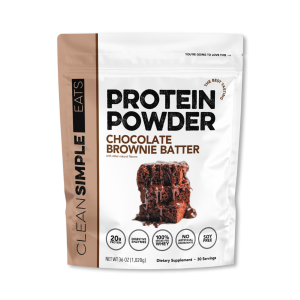
“This is the new standard of
chocolate-flavored protein!
It’s as smooth as can be,
and tastes so good!”
Flavor: Brownie Batter

OUR REVIEWS
“True to its name, it tastes
like chocolate peanut
butter cup heaven!”
Flavor: Chocolate Peanut Butter

OUR REVIEWS
“So creamy and smooth,
you can taste both the
strawberry and
cheesecake!”
Flavor: Strawberry Cheesecake

OUR REVIEWS
“I can’t get enough of this
snickerdoodle flavor!! The
best protein powder I’ve
had!”
Flavor: Snickerdoodle


